
Understanding Anxiety and Stress in Women
Educational articles for women about anxiety, stress, sleep, and emotional health—written in calm, non-alarming language to help you better understand your symptoms and when support may help.
Anxiety and stress can affect women in many different ways—emotionally, physically, and through symptoms that may change over time.
How Anxiety and Stress Affect Women
Anxiety and stress in women are often talked about together, but they are not the same experience. While they can overlap and influence one another, they follow different nervous-system patterns and affect the body, mind, and emotions in different ways.
Some women experience anxiety primarily as internal alertness — feeling tense, watchful, restless, or unable to fully settle even when life appears calm. Others experience stress as something that builds over time — feeling worn down, overloaded, emotionally drained, or unable to recover despite rest. Both patterns are common. Neither reflects weakness or failure to cope.
This site reflects patterns observed through years of medical practice, where anxiety and stress in women most often develop quietly and persist through daily life rather than dramatic moments of crisis.
This site separates Anxiety in Women and Stress in Women intentionally, so you can start with the explanation that most closely matches what you’re noticing — without labels, urgency, or assumptions. Each pathway offers a calm, symptom-first framework designed to reduce confusion and help you better understand patterns across the body, thoughts, emotions, and daily life.
If what you’re noticing feels more like internal alertness than exhaustion — such as feeling tense, watchful, restless, mentally busy, or unable to fully relax even when life appears calm — you may be experiencing anxiety rather than stress. Anxiety in women often shows up quietly through the body, thoughts, emotions, and daily rhythms, sometimes without panic or obvious fear. For a calm, symptom-first overview of how anxiety commonly presents across these patterns, see How Anxiety Shows Up: Physical, Mental, and Emotional Patterns.
Explore Anxiety in Women
Learn how anxiety in women often shows up quietly through the body, thoughts, emotions, and daily rhythms — even without panic or obvious fear.
Explore Stress in Women
Understand how stress in women develops through prolonged pressure, responsibility, and mental load, and how it affects energy, emotions, the nervous system, and recovery over time.

This section introduces how anxiety and stress commonly show up in women’s lives — including emotional, physical, and sleep-related patterns — and explains what’s normal, what’s common, and when support may help.
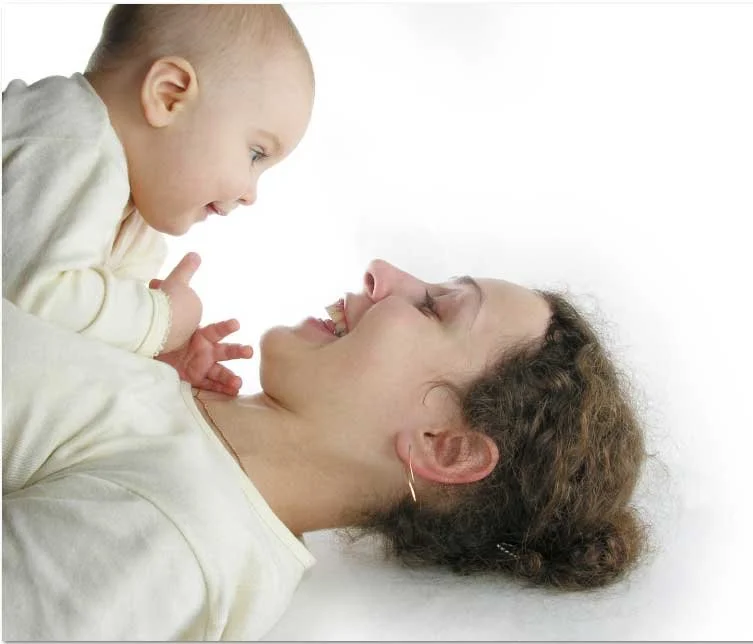
This section focuses on emotional and mental health changes that can occur during pregnancy and after birth. It covers common experiences such as anxiety, mood shifts, intrusive thoughts, and emotional overwhelm—explaining what’s typical, what’s influenced by hormonal and life changes, and when additional support may be helpful.
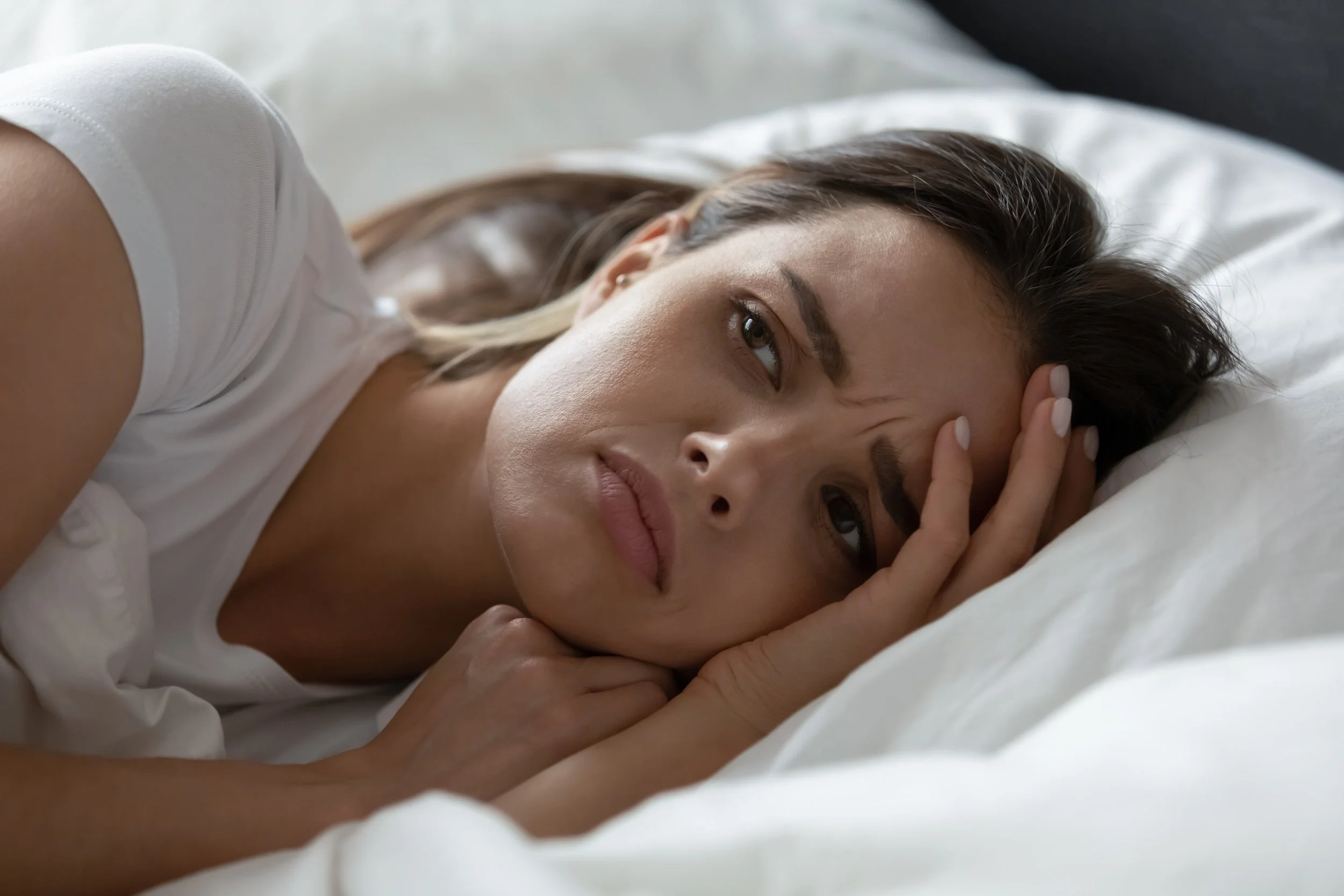
This section explores how sleep disruption, fatigue, and emotional well-being are closely connected. It explains how poor sleep can affect mood, stress levels, and emotional resilience, why exhaustion can feel overwhelming, and when ongoing sleep issues may be a sign that extra support could help.

Chronic stress and long-term overload often show up in ways that go beyond worry alone. For many women, burnout and caregiver stress can affect energy, concentration, emotional resilience, and the ability to recover with rest. This section explores how ongoing demands, responsibility fatigue, and prolonged stress can quietly accumulate over time—and how recognizing these patterns can help explain why things may feel heavier, more draining, or harder to manage than they once did.

Emotional and physical symptoms don’t always appear at random. For many women, patterns emerge during key hormonal life stages—such as puberty, pregnancy, postpartum changes, perimenopause, and menopause. This section explores how shifts in hormones can influence mood, stress sensitivity, emotional regulation, and recurring symptom patterns over time, helping you better understand what’s happening and why these changes may feel unfamiliar or cyclical.
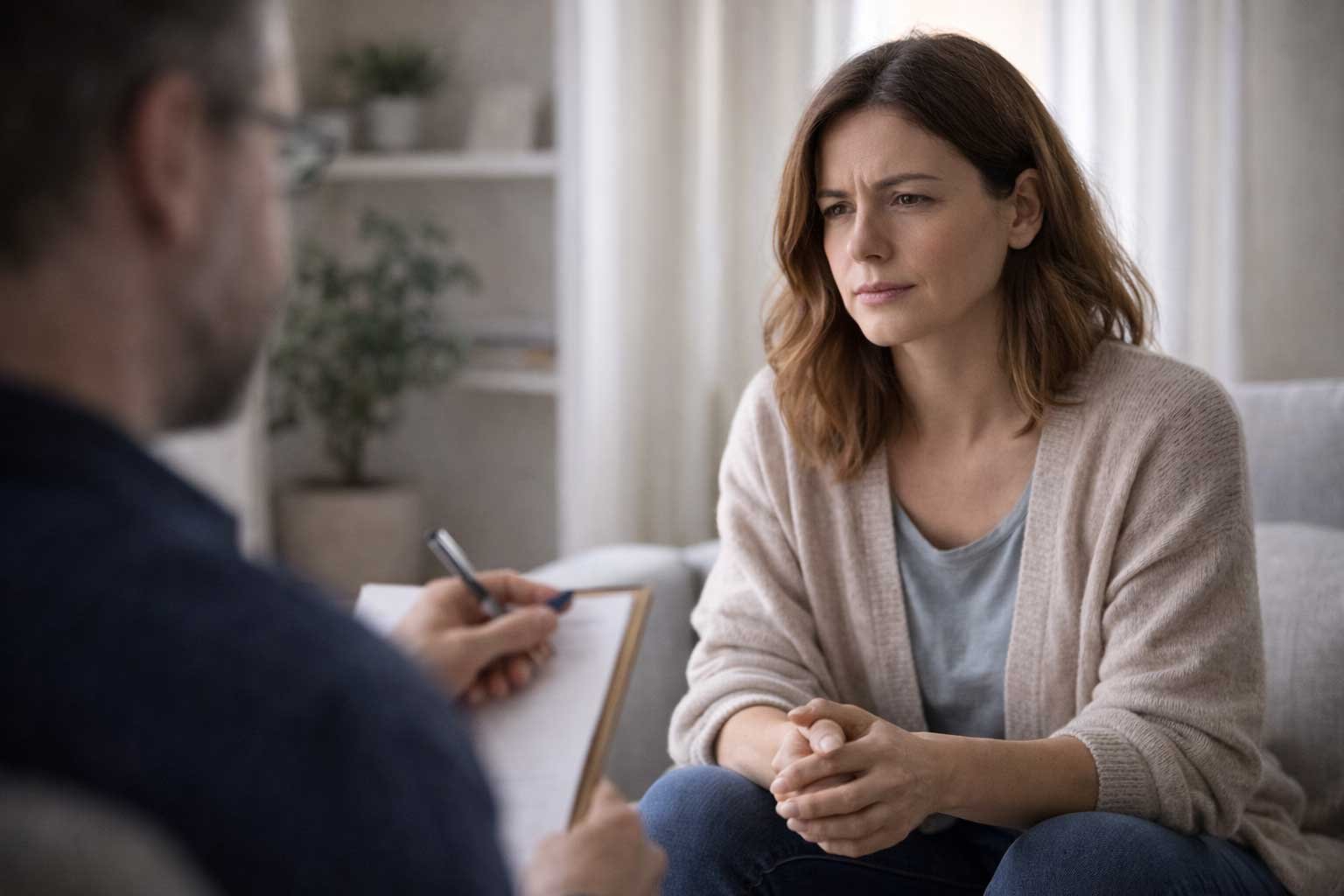
This section focuses on understanding when additional support may be helpful and what the process of seeking care often looks like. It explains common questions and concerns about timing, options, costs, privacy, and what people typically experience as they explore professional support—without pressure, diagnosis, or urgency.


How This Site Is Meant to Help
This site offers clear, calm explanations of anxiety, stress, sleep difficulties, and emotional health as they commonly show up in women’s lives. The goal is not diagnosis or treatment, but understanding—what’s common, what’s normal, and when support may be worth considering—presented in reassuring, non-alarming language.